
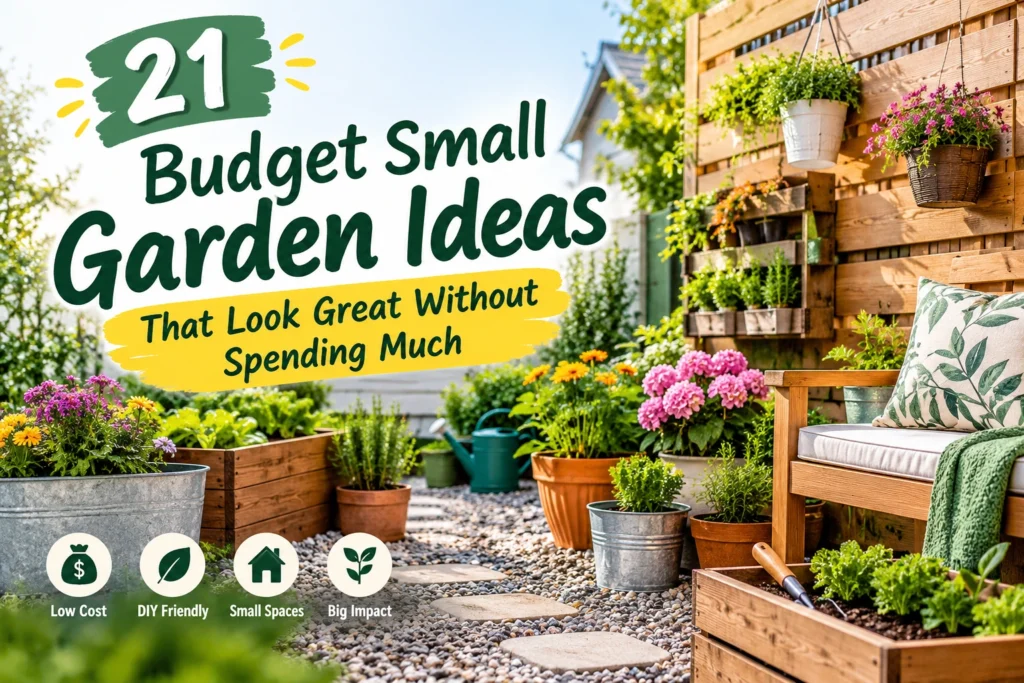
You don’t need a big budget to create a beautiful garden. In fact, a small outdoor space can be one of the easiest places to experiment with affordable gardening ideas.
The key is to make your money work harder. Instead of filling the entire space with expensive planters, furniture, or landscaping materials, focus on a few practical changes that add plants, structure, and personality without taking up much room.
These budget small garden ideas include simple DIY projects, repurposed containers, vertical gardening, inexpensive plants, gravel, raised beds, and other low-cost solutions. Many can be adapted for a small backyard, patio, side yard, balcony, or rental home.
If you’re looking for more general inspiration first, check out our guide to 21 Amazing Small Garden Ideas to Make the Most of Your Space. This article focuses specifically on keeping the project affordable.
Quick Guide: Best Budget Small Garden Ideas
| If you want to… | Try this idea |
|---|---|
| Spend almost nothing | Repurpose containers |
| Grow more vertically | Use a simple trellis |
| Create a cheap vegetable garden | Start a compact raised bed |
| Avoid expensive landscaping | Try a gravel garden |
| Add color cheaply | Use inexpensive flowering plants |
| Garden in a rental | Use movable containers |
| Make a patio greener | Create a container garden |
| Hide an unattractive wall | Add vertical planters |
| Reduce maintenance | Use mulch and hardy plants |
| Create a garden quickly | Group containers together |
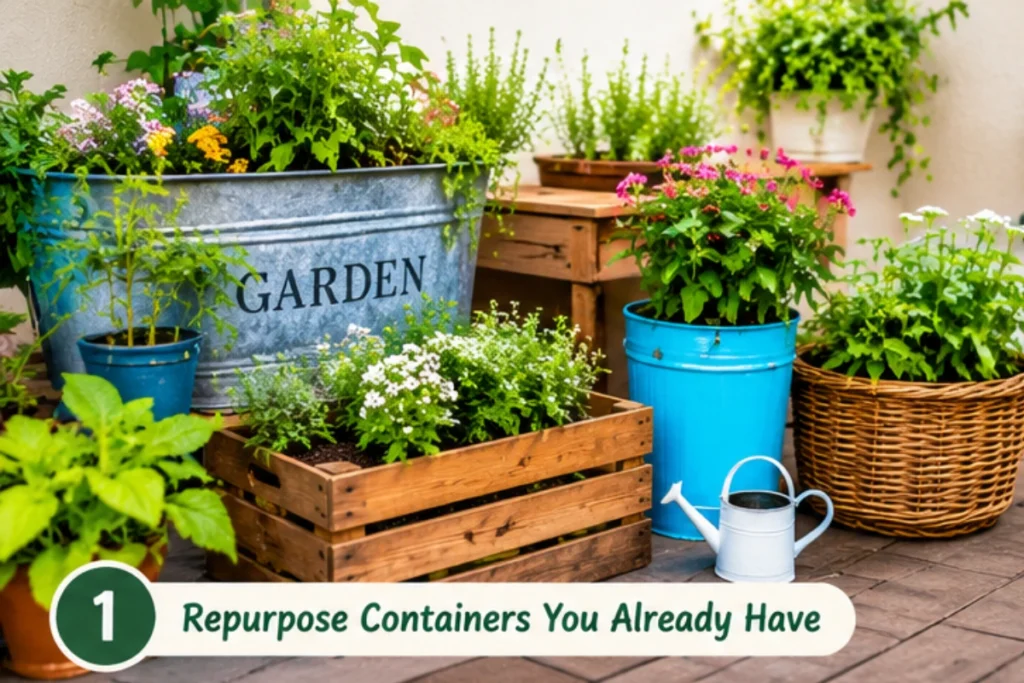
1. Repurpose Containers You Already Have
One of the easiest ways to save money is to look around your home before buying new planters.
Old buckets, storage containers, wooden crates, metal tubs, baskets, and other suitable containers can sometimes be converted into attractive planters.
Make sure the container is safe for plants and has adequate drainage.
Why it works
You get a functional planter without paying for decorative containers.
Best for
- Patios
- Small backyards
- Renters
- Beginner gardeners
Cost level
Very low
Avoid
Using containers without drainage holes, because excess water can damage plant roots.
2. Create a Simple Vertical Garden
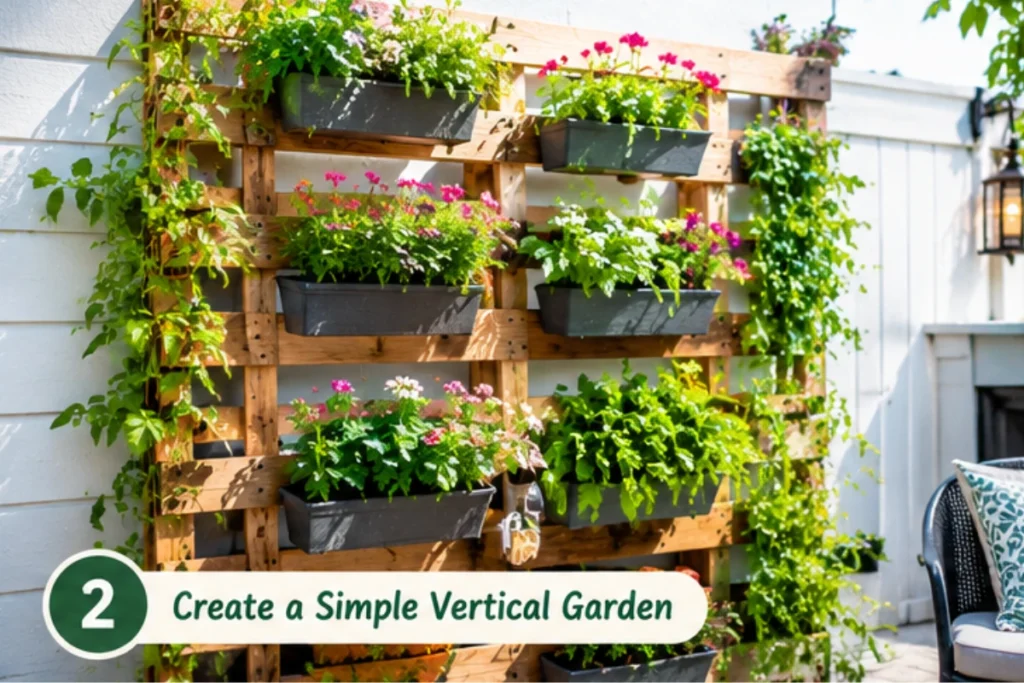
When floor space is limited, look upward.
A simple trellis, wall-mounted planter, hanging planter, or vertical plant arrangement can add more greenery without requiring a large footprint.
You don’t need an expensive modular system. A basic trellis combined with climbing plants can accomplish much of the same goal.
Why it works
Vertical gardening makes use of space that would otherwise remain empty.
Best for
- Narrow patios
- Small backyards
- Fences
- Side yards
Cost level
Low to moderate
Avoid
Overloading a lightweight wall, fence, or support structure with heavy planters.
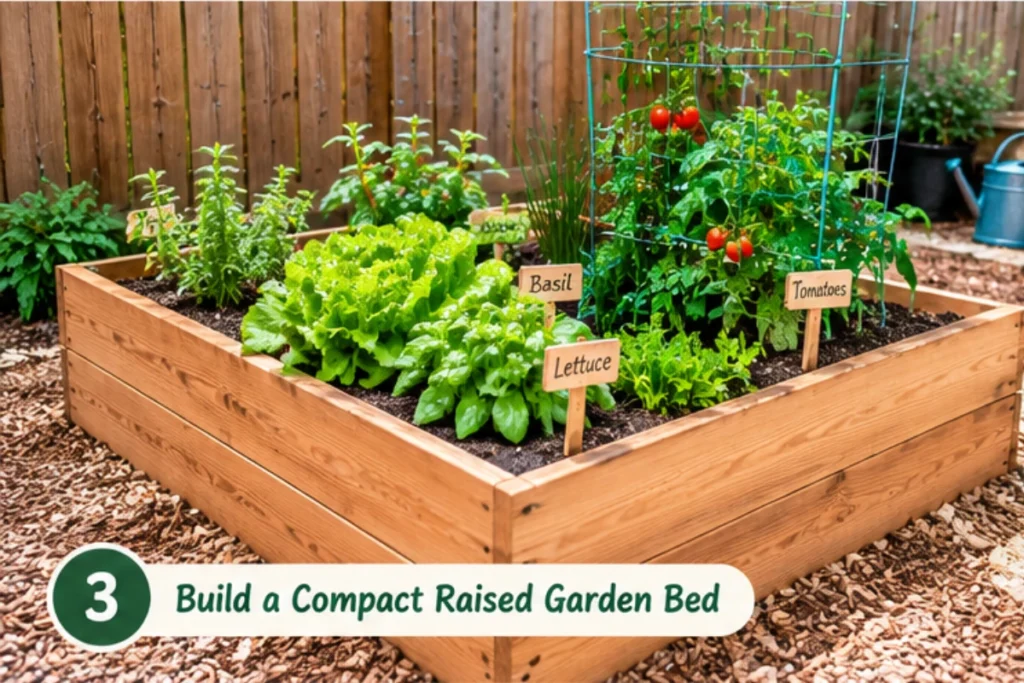
3. Build a Compact Raised Garden Bed
A small raised bed can provide a dedicated growing area without requiring a large backyard.
You can build a simple rectangular bed from reasonably priced lumber or choose a basic ready-made option.
Keep the dimensions manageable so you don’t spend more on materials and soil than necessary.
Why it works
A compact bed gives vegetables and herbs their own organized growing area.
Best for
- Vegetables
- Herbs
- Small backyards
- Beginner gardeners
Cost level
Moderate
Avoid
Building a raised bed that’s too large for the available space.
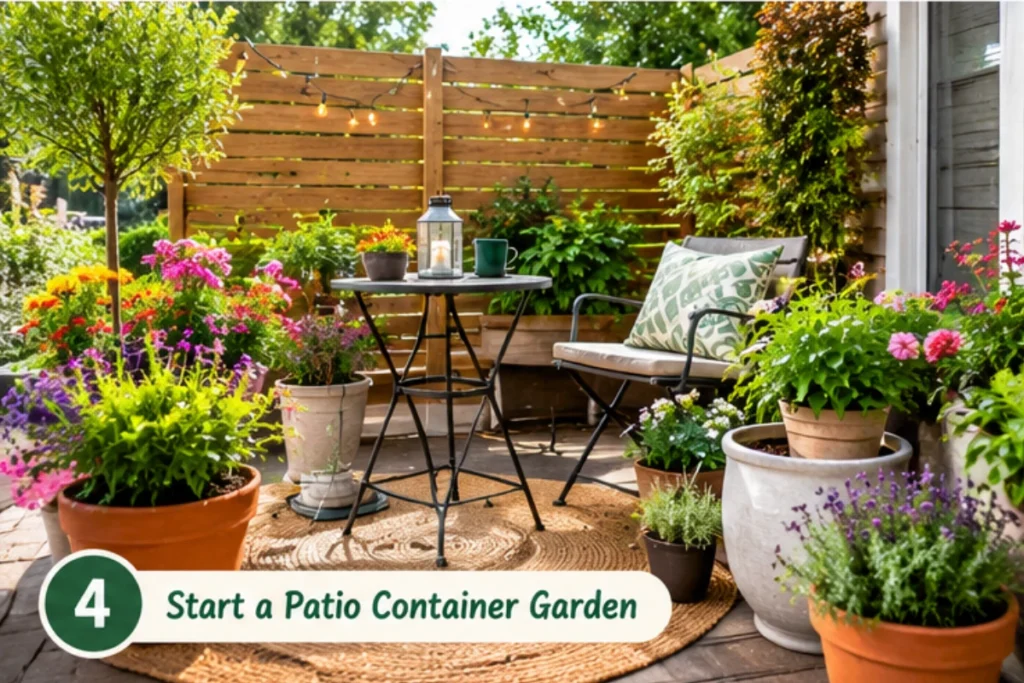
4. Start a Patio Container Garden
You don’t need a traditional garden bed to grow plants.
A few containers arranged on a patio can create a surprisingly attractive garden. Mix different pot sizes and plant heights to make the arrangement look intentional.
Start with just a few containers and add more later if your budget allows.
Why it works
Container gardening lets you control how much you spend and how much space you use.
Best for
- Patios
- Apartments
- Rentals
- Small outdoor spaces
Cost level
Low to moderate
Avoid
Buying too many containers at once. Start small and see what works.
5. Make a Narrow Garden Bed Along a Fence
A narrow strip beside a fence can become useful planting space.
Instead of landscaping the entire yard, concentrate your budget on one long, narrow bed.
Add a layer of mulch and choose plants suited to the amount of sunlight the area receives.
Why it works
It transforms otherwise unused edge space into a garden without requiring much material.
Best for
- Narrow backyards
- Fence lines
- Side yards
Cost level
Low to moderate
Avoid
Choosing plants that will eventually grow too wide for the narrow space.
6. Grow a Small Kitchen Herb Garden
Herbs are a practical choice when you’re trying to garden on a budget.
You can grow several useful herbs in a small collection of containers rather than purchasing a large number of ornamental plants.
Consider options such as:
- Basil
- Mint
- Parsley
- Chives
- Thyme
- Oregano
Choose herbs based on your climate and available sunlight.
Why it works
You get both decorative greenery and something useful for everyday cooking.
Best for
- Patios
- Small backyards
- Sunny windows or outdoor areas
Cost level
Low
Avoid
Planting mint directly in the ground unless you are prepared for it to spread aggressively.
7. Use Gravel Instead of Expensive Lawn
A small garden doesn’t necessarily need grass.
Gravel can create a simple surface around plants, containers, stepping stones, or a small seating area.
This can be especially useful where maintaining a small patch of lawn would be inconvenient.
Why it works
Gravel provides structure without requiring regular mowing.
Best for
- Small backyards
- Dry areas
- Low-maintenance gardens
- No-grass garden designs
Cost level
Low to moderate
Avoid
Skipping the necessary base preparation. Proper installation helps prevent weeds and uneven settling.
8. Add an Inexpensive Trellis for Climbing Plants
A simple trellis can dramatically increase the usable growing area of a small garden.
Climbing plants can grow upward rather than spreading across the ground.
Depending on your climate and garden conditions, you might consider suitable climbing flowers, vegetables, or vines.
Why it works
One vertical structure can provide growing space without requiring a large planting bed.
Best for
- Small gardens
- Fences
- Patios
- Narrow spaces
Cost level
Low
Avoid
Choosing a plant that will become too heavy for the trellis.
9. Use Tiered Plant Stands
Instead of placing every pot on the ground, arrange containers vertically using a simple tiered plant stand.
You can also create levels using sturdy shelves or other suitable structures designed to safely support plants.
Place taller plants toward the back and smaller plants toward the front.
Why it works
You get more visual impact from a smaller footprint.
Best for
- Patios
- Small balconies
- Decks
- Entry areas
Cost level
Low to moderate
Avoid
Blocking sunlight from smaller plants with large containers.
10. Create a Small Pollinator Garden
A pollinator garden doesn’t need to occupy a large area.
Choose a few flowering plants that are appropriate for your region and arrange them together in a small bed or several containers.
Native plants can be particularly useful because they are adapted to local growing conditions.
Why it works
A small planting area can add color while creating a more useful habitat for pollinators.
Best for
- Small yards
- Container gardens
- Beginner gardeners
Cost level
Low to moderate
Avoid
Choosing plants only because they look attractive without checking whether they suit your local growing conditions.
11. Make a Small Gravel Garden With Stones
You can create a stylish garden without covering the area with expensive landscaping materials.
Use gravel, a few larger stones, and carefully selected plants to create a simple garden composition.
Keep the design restrained rather than trying to fill every inch.
Why it works
A limited number of inexpensive materials can create a clean, intentional look.
Best for
- Small yards
- Low-maintenance spaces
- Modern garden designs
Cost level
Low to moderate
Avoid
Using too many different types and colors of stone, which can make a small garden look cluttered.
12. Group Inexpensive Pots for a Designer Look
You don’t need matching designer planters.
Instead, choose several simple containers in complementary sizes and arrange them as a group.
Vary the height of the plants to create depth.
Why it works
Grouping makes inexpensive individual pots look like one intentional garden feature.
Best for
- Patios
- Porches
- Small outdoor corners
Cost level
Low
Avoid
Spreading individual pots randomly around the yard.
13. Grow a Compact Vegetable Garden
A small vegetable garden can be surprisingly productive when you choose crops carefully.
Rather than trying to grow everything, focus on a few vegetables that suit your space, sunlight, and growing season.
You can use containers, a raised bed, or a narrow planting area.
Why it works
You spend money on a smaller amount of soil, containers, and plants while still getting useful produce.
Best for
- Beginners
- Small backyards
- Raised beds
- Patio gardens
Cost level
Low to moderate
Avoid
Growing large sprawling crops in a very small space unless you have a plan for supporting them.
14. Turn an Unused Side Yard Into a Garden
Side yards often become forgotten spaces for storage or access.
Instead of completely landscaping the area, create a simple low-cost garden along one side.
Use gravel or mulch for the walking surface and concentrate plants along the edge.
Why it works
You can improve an unused area without investing in a large landscape project.
Best for
- Narrow side yards
- Small homes
- Walkways
Cost level
Low to moderate
Avoid
Blocking access to utility equipment, gates, drainage areas, or maintenance points.
15. Choose Low-Maintenance Plants
A budget garden isn’t only about the initial purchase price.
Plants that require frequent replacement, watering, or maintenance can cost more over time.
Choose plants that are appropriate for your climate, soil, sunlight, and available maintenance time.
Why it works
The right plants can reduce long-term replacement and maintenance costs.
Best for
- Busy homeowners
- Beginners
- Small low-maintenance gardens
Cost level
Low to moderate
Avoid
Choosing plants based only on their appearance without checking their mature size and growing requirements.
16. Create a Small Seating Area With Existing Furniture
You don’t have to buy an entire outdoor furniture set.
If you already have a suitable outdoor chair, small bench, or table, use it as the focal point of your garden.
Surround it with containers or a narrow planting bed.
Why it works
One existing piece of furniture can make a small garden feel like a destination.
Best for
- Patios
- Small backyards
- Relaxation areas
Cost level
Very low if you already have furniture
Avoid
Crowding the seating area with too many plants or decorations.
17. Use Hanging Planters on a Fence or Wall
Hanging planters can turn an empty vertical surface into growing space.
Use a small number of containers rather than covering the entire wall.
Make sure the mounting system is appropriate for the wall or fence.
Why it works
You gain planting space without sacrificing valuable floor area.
Best for
- Small patios
- Fences
- Walls
- Rental-friendly setups when appropriate
Cost level
Low
Avoid
Installing heavy planters on surfaces that cannot safely support them.
18. Build a Three-Level Garden
One of the simplest ways to make a small garden look fuller is to use three visual heights:
Low + medium + tall
For example:
- Low groundcover or small plants
- Medium-height flowers or herbs
- Taller plants or a vertical trellis
Why it works
Different heights create depth without requiring more square footage.
Best for
- Small flower beds
- Containers
- Backyard corners
Cost level
Low to moderate
Avoid
Using plants that all reach the same mature height.
19. Use Mulch to Improve a Small Garden
Mulch is one of the simplest additions to a garden bed.
It can make the space look finished while helping conserve soil moisture and suppress some weed growth.
Choose an appropriate mulch for your plants and local conditions.
Why it works
A relatively inexpensive layer can make a basic planting area look more polished.
Best for
- Flower beds
- Vegetable gardens
- Small backyard gardens
Cost level
Low
Avoid
Piling mulch directly against plant stems or tree trunks.
20. Create a Movable Garden With Containers
If you’re renting or simply want flexibility, containers are an excellent option.
You can rearrange them when you change your outdoor layout or move them to better sunlight when necessary.
Why it works
You don’t have to commit your entire budget to permanent landscaping.
Best for
- Renters
- Patios
- Small decks
- Flexible garden layouts
Cost level
Low to moderate
Avoid
Using containers that are too heavy to move safely once filled with soil and water.
A small garden doesn’t need dozens of features.
Choose one focal point—a striking plant, small tree, trellis, container arrangement, seating area, or garden feature—and design the rest of the space around it.
Why it works
One strong feature can make a small garden feel intentional without requiring a large decorating budget.
Best for
- Tiny backyards
- Patio gardens
- Entry gardens
- Modern small gardens
Cost level
Low to moderate
Avoid
Adding several competing focal points. In a small space, simplicity usually works better.
How to Save More Money When Creating a Small Garden
The cheapest garden isn’t necessarily the one where you buy the least expensive products.
It’s the one where you avoid buying things you don’t actually need.
Here are some practical ways to keep your project affordable.
Start With What You Already Own
Before shopping, look around your home and garage.
You may already have:
- Containers
- Shelves
- Small tables
- Plant supports
- Garden tools
- Decorative stones
- Outdoor furniture
Use those items first.
Buy Plants for the Space You Have
Don’t buy a plant simply because it looks good at the garden center.
Check its mature size, sunlight requirements, watering needs, and climate suitability first.
A cheap plant that doesn’t survive is still wasted money.
Build the Garden in Stages
You don’t have to finish everything in one weekend.
Start with:
- One planting area
- A few plants
- Basic mulch or gravel
- One focal point
- Additional features later
This makes it easier to control your spending.
Spend Money Where It Matters
It’s often worth spending a little more on things that directly affect long-term performance, such as suitable soil, quality seeds or plants, or a sturdy support structure.
You don’t need premium decorative items everywhere.
How to Make a Budget Small Garden Look Expensive
A small budget doesn’t have to make your garden look cheap.
The biggest difference often comes from layout rather than price.
Try these simple techniques:
Repeat Similar Plants
Using the same plant in several places creates a coordinated appearance.
Stick to a Simple Material Palette
For example, choose one main material such as:
- Gravel
- Wood
- Terracotta
- Stone
Then use it consistently.
Create Clear Edges
A defined garden bed can look more polished than a collection of plants scattered around the yard.
Vary Plant Heights
Combine low, medium, and tall plants to create depth.
Leave Some Empty Space
Trying to fill every available inch can make a small garden look crowded.
Budget Small Garden Ideas for Renters
If you’re renting, focus on solutions that can move with you.
Good options include:
- Container gardens
- Hanging planters where permitted
- Portable trellises
- Tiered plant stands
- Small raised planters
- Movable herb gardens
- Decorative pots
Avoid permanent landscaping changes unless your landlord allows them.
Container gardening is especially useful because you can take the setup with you when you move.
Budget Small Garden Ideas for Very Small Spaces
If your garden is extremely small, prioritize vertical space and multipurpose features.
The best choices may include:
- Vertical planters
- Hanging containers
- Trellises
- Tiered plant stands
- Compact herb gardens
- Narrow planting beds
- Small container groupings
- Gravel gardens
You don’t need all eight. Pick two or three that fit your space.
Common Mistakes That Make a Small Garden More Expensive
Even a simple garden can become expensive when the planning is poor.
Buying Too Many Plants
Start with fewer plants and see how they perform.
Choosing Plants That Grow Too Large
A plant that outgrows your space may eventually need replacement or expensive pruning.
Ignoring Sunlight
Buying shade-loving plants for a full-sun location—or the opposite—can result in wasted money.
Buying Decorative Items Before Planning the Layout
Decide where plants and pathways will go first.
Using Too Many Different Materials
A complicated design usually requires more materials and can make a small garden look cluttered.
Forgetting Maintenance Costs
Think beyond the initial purchase price. Watering, replacement plants, soil, fertilizer, and maintenance all add up.
Pros and Cons of a Budget Small Garden
| Pros | Cons |
|---|---|
| Lower upfront cost | May require more DIY work |
| Easy to build gradually | Some materials may need replacement |
| Works in small spaces | Limited growing area |
| Can use existing items | Repurposed items may look less uniform |
| Easy to customize | Planning is important |
How Much Does a Small Budget Garden Cost?
There isn’t one fixed price because the cost depends heavily on the size of the space, plants, containers, soil, and materials you already have.
A very simple container garden can start with relatively little money, while a raised bed, gravel installation, or more permanent garden can cost considerably more.
A useful approach is to divide your budget into categories:
| Budget area | What it can cover |
|---|---|
| Plants | Seeds, herbs, flowers, vegetables |
| Containers | Pots, buckets, planters |
| Soil | Potting mix, garden soil, amendments |
| Structure | Trellis, raised bed, supports |
| Surface | Gravel, mulch, stepping stones |
| Extras | Small decor or seating |
Tip: Set your total budget first, then decide which elements are most important. This prevents small purchases from quietly turning into a much larger project.
How to Choose the Best Budget Garden Idea for Your Space
Use this simple decision guide:
| Your situation | Best starting point |
|---|---|
| Almost no floor space | Vertical garden |
| Very limited budget | Repurposed containers |
| Want vegetables | Compact raised bed |
| Renting | Container garden |
| Narrow side yard | Narrow garden bed |
| Want low maintenance | Gravel + suitable plants |
| Want herbs | Container herb garden |
| Have an empty wall | Hanging planters |
| Want a modern look | Gravel + simple plant groupings |
| Want flexibility | Movable containers |
Start with one or two ideas, rather than trying to implement all 21.
FAQ: Budget Small Garden Ideas
What are the cheapest ways to create a small garden?
Repurposing containers, growing from seeds, using existing furniture, creating container gardens, and starting with a small planting area can help keep costs low.
How can I create a small garden on a very low budget?
Start with items you already own, choose inexpensive plants suited to your space, and build the garden gradually instead of buying everything at once.
What is the best budget garden idea for renters?
Container gardening is one of the most flexible options because pots and planters can usually be moved when you relocate.
Are container gardens cheaper than traditional gardens?
They can be, especially when you start with a few existing or inexpensive containers. However, soil and quality containers can still add to the cost.
How can I make a small garden look expensive on a budget?
Use a simple layout, repeat plants, create clear edges, vary plant heights, and avoid using too many different materials.
What can I use instead of expensive garden planters?
Suitable buckets, tubs, crates, and other reusable containers can sometimes be converted into planters, provided they are safe for plants and have adequate drainage.
Is a gravel garden good for a small backyard?
Yes. Gravel can create a clean, relatively low-maintenance surface and works well with carefully selected plants, stones, and stepping paths.
What are the best budget small garden ideas for vegetables?
Compact raised beds, containers, and vertical supports can all work well. Focus on vegetables that suit the available sunlight and space.
How do I make a small garden look bigger?
Use vertical space, keep the layout simple, create clear pathways, use different plant heights, and avoid overcrowding.
Can I create a beautiful garden without a lawn?
Absolutely. Gravel, mulch, containers, raised beds, stepping stones, and planted borders can create an attractive garden without maintaining a traditional lawn.
Related Small Kitchen Organization Guides
Relevant existing articles:
- 15 Amazing Indoor Gardening Ideas for Beginners — link when discussing growing plants in limited spaces.
- 10 Amazing Gardening Tools for Beginners — link when discussing starting or maintaining a garden.
- 21 Small Garden Ideas to Make the Most of Your Space— link from the budget section once that article is published.
Final Thoughts
Creating a beautiful garden doesn’t require a large yard or a large budget.
The best budget small garden ideas focus on using the space intelligently, reusing what you already have, choosing plants carefully, and building the garden gradually.
Start with one practical improvement—such as a container garden, vertical planter, compact raised bed, or inexpensive gravel area. Once that works, you can add another feature without putting unnecessary pressure on your budget.
And if you want more ideas beyond the budget angle, explore our 21 Amazing Small Garden Ideas to Make the Most of Your Space for broader small-space garden inspiration.
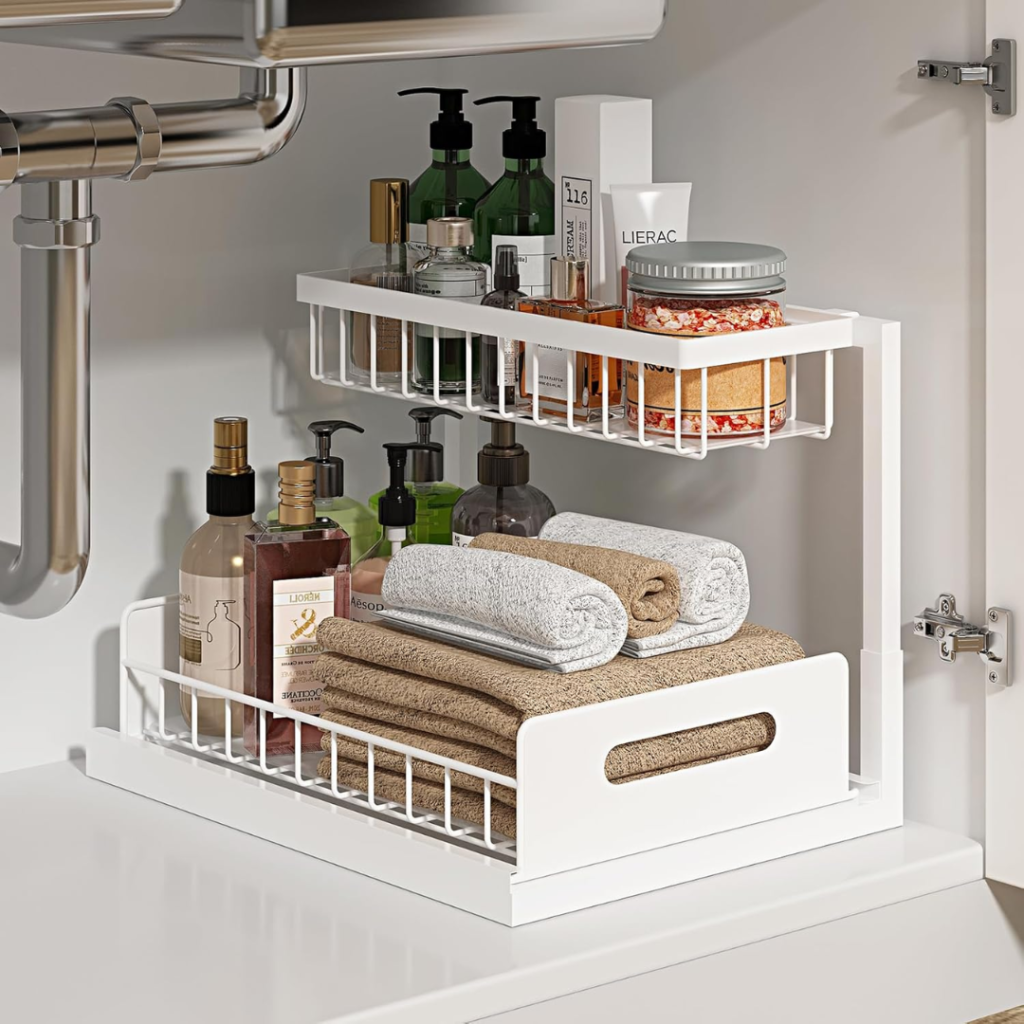
Sink Organizer
Key Features:
- L-Shaped 2-Tier Design – Makes use of vertical space while leaving room for plumbing and taller bottles.
- Pull-Out Drawer – Slides out from either side for easier access to items at the back.
- Tool-Free Installation – Includes suction cups and adhesive for stable placement without drilling.
- Sturdy & Rust-Resistant – Steel construction with a water-friendly grid design and removable pads.
- Versatile Storage – Great for under-sink cabinets, kitchens, bathrooms, and laundry areas.
- Size: 14.2 × 10.6 × 11 inches; bottom tier fits bottles up to 8 inches tall.
As an Amazon Associate I earn from qualifying purchases.