
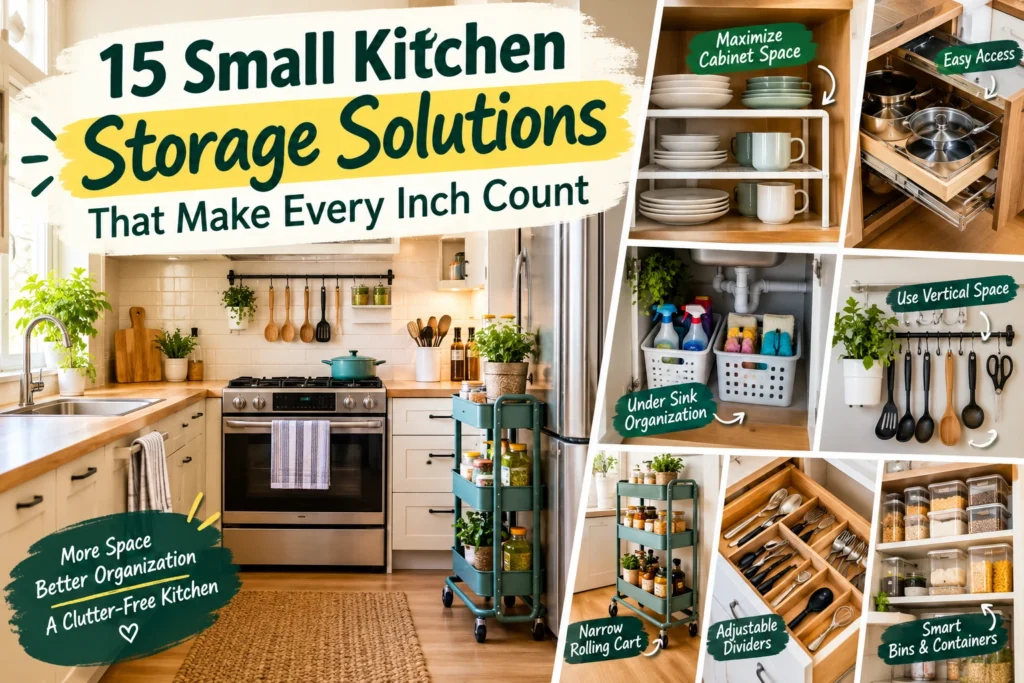
A small kitchen can feel crowded even when you own only the essentials. A few bulky appliances, overflowing cabinets, and limited counter space can quickly make everyday cooking more difficult than it needs to be.
The good news is that you don’t always need a bigger kitchen or an expensive renovation to make the space work better. The right small kitchen storage solutions can help you use vertical space, organize deep cabinets, keep frequently used items within reach, and make better use of overlooked corners.
The key is to choose storage that solves a specific problem rather than adding more containers and organizers without a plan.
In this guide, you’ll find 15 practical small kitchen storage solutions, including renter-friendly ideas, cabinet upgrades, space-saving furniture, and simple ways to keep everyday essentials organized.
1. Add Shelf Risers Inside Kitchen Cabinets
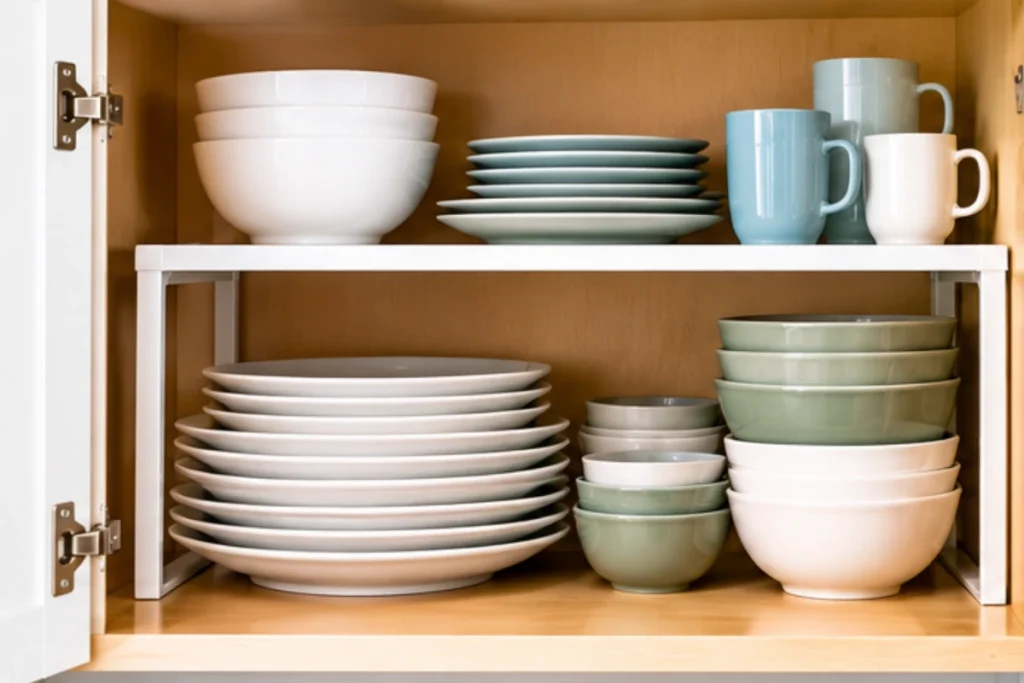
Kitchen cabinets often have more vertical space than a single shelf can use efficiently. When everything sits in one layer, smaller items can disappear behind larger dishes, while the upper portion of the cabinet remains unused.
Shelf risers create an additional level without requiring permanent changes to the cabinet.
How to make it work:
-
Place frequently used plates and bowls on the lower level.
-
Use the upper level for smaller plates, mugs, or lightweight serving pieces.
-
Measure the cabinet’s width, depth, and available height before choosing a riser.
-
Leave enough clearance to remove dishes without scraping the shelf above.
Choose a stable riser that can support the weight of the items you plan to store. Avoid stacking heavy cookware on organizers that aren’t designed for it.
2. Install Pull-Out Organizers in Deep Cabinets
Deep cabinets can provide plenty of storage, but items pushed toward the back are often difficult to reach. This can lead to forgotten ingredients, duplicate purchases, and cluttered shelves.
A pull-out organizer brings stored items forward instead of forcing you to move everything in front of them.
Consider pull-out baskets or sliding shelves for suitable lower cabinets. Use them for pots, pans, food containers, or packaged pantry items, depending on the organizer’s design and weight capacity.
Before buying one, measure the cabinet opening and its interior dimensions. Check for hinges, plumbing, and other obstructions that could interfere with installation.
If you rent or prefer not to drill, a freestanding pull-out bin may be a simpler alternative.

3. Use Stackable Bins to Organize Under the Sink
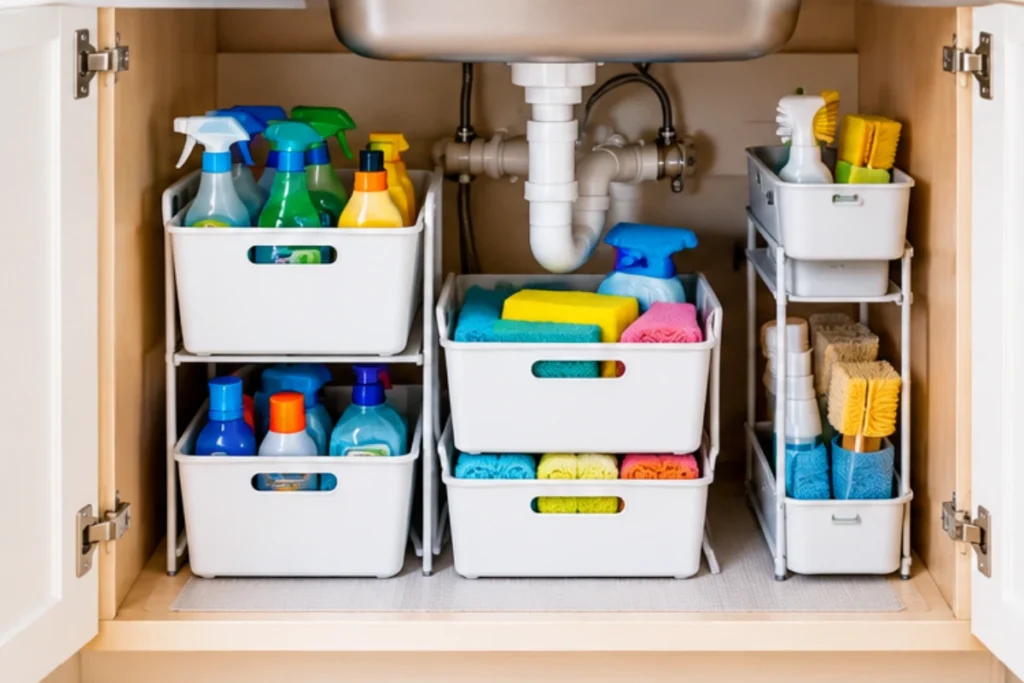
The cabinet beneath the sink can become one of the hardest spaces to organize because plumbing pipes take up valuable room.
Instead of filling the entire cabinet with one large container, divide the usable space into smaller zones.
-
Keep dishwashing supplies together in one bin.
-
Store spare sponges and cleaning cloths in another.
-
Use adjustable or stackable organizers where the plumbing allows.
-
Keep the area around pipes accessible for maintenance.
Measure the space around the pipes before purchasing bins. Choose water-resistant organizers that are easy to remove and clean.
Keep cleaning products securely closed and away from children and pets. Don’t store them where leaks or standing water could damage their packaging.
4. Make Better Use of Vertical Wall Space
When counter space is limited, moving some items onto a wall can free up a surprisingly useful area.
A wall-mounted rail, utensil holder, or compact pegboard can keep selected tools accessible without taking up a drawer.
Start by identifying the items you reach for most often, such as spatulas, measuring spoons, or kitchen scissors. Keep the arrangement simple enough that every item has a clear place.
A few things to consider:
-
Install the storage away from heat sources and splashing water.
-
Check the wall type and use appropriate mounting hardware.
-
Keep sharp tools secure and out of children’s reach.
-
Avoid hanging so many items that the wall becomes visually cluttered.
For renters, removable hooks may work for lightweight tools when the wall surface and product instructions permit them.
5. Add a Narrow Rolling Kitchen Cart
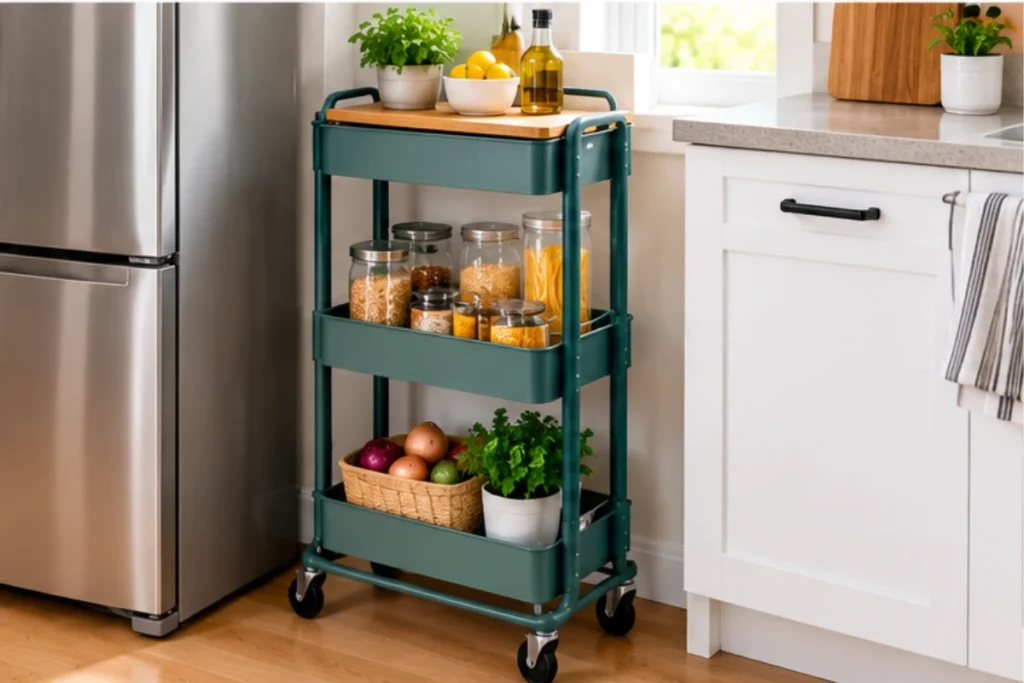
A narrow rolling cart can add storage without permanently changing the kitchen layout. It is especially useful in kitchens with an unused gap beside a refrigerator, cabinet run, or counter.
Choose a cart based on what you need to store. A multi-tier cart can hold pantry staples, cooking oils, or small appliances, while a sturdier model with a flat top can provide additional work space.
Before buying one, measure the available gap and account for handles, wheels, and nearby cabinet doors. Check that the cart can move without blocking walkways or access to appliances.
Use the upper surface for lightweight items or temporary prep only if the cart is designed to provide a stable work surface. Lock the wheels when it is stationary.
A crowded drawer wastes time because useful tools become buried beneath items you rarely use.
Adjustable drawer dividers separate the contents into defined sections while allowing you to change the layout as your needs evolve.
Start by removing everything from the drawer. Group similar items together, return the essentials, and store duplicates elsewhere.
Use separate sections for cutlery, cooking utensils, measuring tools, and small accessories. If a drawer is shallow, choose low-profile dividers that leave enough room to close it easily.
Measure the drawer’s interior rather than relying on its outside dimensions. Check the height and the position of any internal supports before purchasing an organizer.
The goal isn’t to fit the largest number of utensils into one drawer. It’s to make the tools you actually use easy to find.
7. Create More Room With a Pot Lid Organizer
Pot lids are awkward to store because their handles make them difficult to stack neatly. Baking sheets and cutting boards can create a similar problem when they are piled horizontally.
A vertical organizer can keep these items separated and easier to retrieve.
Place lids in individual slots, grouping them by size where practical. Store baking sheets and cutting boards in a separate section if the organizer is designed to support them.
Before choosing a product, check its slot width, overall dimensions, and stability. Make sure heavier items cannot tip the organizer over when removed.
If your cabinet has sufficient width, a simple adjustable rack may solve the problem without requiring a new cabinet or drawer.
8. Use the Inside of Cabinet Doors
The inside of a cabinet door offers an often-overlooked storage surface. A slim organizer can hold items that otherwise occupy valuable shelf space.
Depending on the cabinet and organizer, you might store measuring spoons, plastic wrap, foil, or lightweight cleaning accessories here.
However, the door needs enough clearance to close completely. Check the position of shelves, hinges, and nearby drawers before installing anything.
Avoid overloading the door or placing heavy items where they could fall when it opens. Use mounting methods appropriate for the cabinet material and the product’s weight requirements.
This solution works best when it gives a specific group of items a permanent home rather than becoming another place to accumulate clutter.
9. Store Everyday Items on a Tiered Countertop Organizer
A countertop organizer can make a crowded surface more functional by creating separate levels for everyday essentials.
For example, a small tiered stand might hold coffee filters, mugs, and tea supplies in a dedicated beverage corner. Another might keep a limited selection of frequently used spices together.
Choose one compact organizer instead of several unrelated containers. Keep the items you use daily within easy reach and move occasional-use supplies to a cabinet.
Measure the available counter depth before purchasing. Leave enough room for food preparation and ensure that the organizer doesn’t obstruct outlets, cooking appliances, or other important work areas.
A tiered organizer is useful only when it reduces clutter. If it makes the counter feel more crowded, a drawer or cabinet may be a better choice.
10. Choose Containers That Fit Your Cabinets
Mismatched packages and containers can make shelves difficult to use. Uniform, appropriately sized containers can create a more consistent arrangement and make available space easier to assess.
You don’t need to replace every food package with a matching set. Start with the items that are difficult to stack, frequently spill, or are used regularly.
When choosing containers:
-
Measure the shelf height and depth first.
-
Select shapes that fit the available space.
-
Check that lids seal securely when airtight storage is needed.
-
Label contents and include relevant use-by information.
-
Keep food in its original packaging when that provides important preparation or allergen information.
Transfer dry foods only into clean, completely dry, food-safe containers. Use containers suited to the food and follow appropriate storage guidance.
The most useful container is one that fits your shelf and makes everyday access easier, not necessarily the one that looks best in a photograph.
11. Add a Compact Spice Storage System
Spice jars often occupy more room than expected, particularly when they are scattered across shelves or pushed behind larger containers.
A compact spice rack, tiered shelf, or drawer insert can keep seasonings visible and easier to reach.
Choose a system based on where you have usable space. A drawer insert works well when a suitable drawer is available, while a compact cabinet rack can help use vertical shelf space.
Keep spices away from excessive heat, moisture, and direct sunlight. Label containers clearly, and avoid purchasing a large set of jars if your current collection is small.
If you want more ideas for arranging seasonings in a compact kitchen, see our related guide, 10 Spice Rack Ideas for Small Kitchens and Better Organization.
12. Make Use of the Space Above Cabinets
Some kitchens have an open gap between the upper cabinets and the ceiling. Depending on its height and accessibility, this area may offer additional storage.
Use it selectively for lightweight items that you don’t need every day, such as decorative serving pieces or suitable storage baskets.
Before using the space, consider dust, grease, heat, and the difficulty of reaching it safely. Avoid storing heavy objects overhead or placing anything where it could fall.
If the gap is difficult to access or requires standing on an unstable surface, leave it unused. Not every empty area needs to become storage.
A clean, uncluttered space above the cabinets can sometimes be more useful than filling it with items that are difficult to maintain.
13. Use a Slim Organizer for Narrow Gaps
Narrow gaps between cabinets and appliances can be difficult to use with standard shelving. A slim rolling organizer may turn a suitable gap into a small storage zone.
First, measure the width at several points and check the full depth. Remember that handles, baseboards, appliance ventilation requirements, and nearby doors can affect whether the organizer will fit.
Choose a model designed for the items you intend to store. Keep heavier products on lower shelves when the design permits, and make sure the organizer remains stable when pulled out.
Never block an appliance’s required ventilation clearance or place storage where it interferes with safe operation.
If the gap is too narrow for a stable organizer, a wall-mounted solution or a different cabinet arrangement may work better.
14. Add a Small Kitchen Island or Worktable
A compact kitchen island or narrow worktable can provide a combination of counter space, shelves, drawers, and room for selected kitchen essentials.
This can be particularly useful when the existing countertops are too small for both food preparation and everyday appliances.
Look for a size that suits your kitchen rather than choosing the largest unit that technically fits. Measure the room with cabinet doors, oven doors, and refrigerator doors fully open.
Preserve comfortable walking paths and enough space to work safely. A table with an open base may make a small room feel less crowded than a bulky cabinet-style island.
If you rent or need flexibility, a freestanding worktable can be easier to move than a permanent installation.
The best option adds practical functionality without making the kitchen harder to navigate.
15. Create Dedicated Zones for Everyday Kitchen Tasks
Even well-organized cabinets can become messy if similar items are stored in different places. Creating a few simple zones can make your storage system easier to maintain.
You don’t need a large kitchen or matching organizers to do this. You simply need to give frequently used items a logical home.
For example:
-
Cooking zone: Keep selected utensils, cooking oils, and frequently used seasonings near the main preparation area, away from heat where appropriate.
-
Coffee and tea zone: Group mugs, tea bags, coffee filters, and other beverage supplies in one convenient location.
-
Food storage zone: Keep containers and lids together near the area where you pack leftovers.
-
Cleaning zone: Store dish soap, sponges, and cleaning cloths together in a suitable location.
-
Baking zone: Group measuring tools, mixing accessories, and regularly used baking supplies.
Adapt these zones to the way your kitchen is laid out. If a cabinet is closest to where you use a particular item, that may be its most practical home.
Once each zone has a clear purpose, it becomes easier to notice when something is stored in the wrong place or when you own more than you need.
How to Choose the Right Small Kitchen Storage Solutions
Not every organizer is right for every kitchen. Before buying anything, identify the specific problem you want to solve and check whether the product fits your space.
| Your main problem | A solution to consider | What to check |
|---|---|---|
| Wasted vertical cabinet space | Shelf risers | Shelf height and weight capacity |
| Hard-to-reach items | Pull-out organizers | Cabinet opening and interior depth |
| Cluttered utensil drawers | Adjustable dividers | Drawer dimensions and height |
| Too many items on counters | Wall rails or cabinet storage | Installation and clearance |
| Awkward lids and baking sheets | Vertical rack | Slot size and stability |
| Unused narrow gaps | Slim rolling organizer | Width, depth, and ventilation |
| Not enough prep space | Compact worktable | Walking clearance and stability |
| Disorganized everyday supplies | Dedicated storage zones | Frequency of use and accessibility |
Measure Before You Buy
Measure the space where the organizer will go, including its width, depth, and height. For pull-out products, also check the cabinet opening and any obstructions.
Start With One Problem
Don’t buy a complete set of organizers just because they look coordinated. Start with the area that causes the most frustration, solve it, and then decide whether another product is necessary.
Prioritize Easy Access
Frequently used items should be easy to reach. Reserve high shelves and less accessible areas for suitable items you use occasionally.
Keep Safety and Maintenance in Mind
Choose stable products, respect weight limits, and keep heat sources, appliance ventilation, plumbing access, and walkways clear. Organizers should make your kitchen easier and safer to use.
Common Small Kitchen Storage Mistakes to Avoid
Even useful products can make a kitchen feel more crowded when they’re chosen without a plan.
Buying organizers before measuring: An organizer that doesn’t fit wastes money and may create additional clutter.
Using every empty surface: Filling every shelf and corner can make a kitchen harder to clean and navigate. Leave some space for everyday tasks.
Storing heavy items too high: Keep heavy cookware and frequently used bulky items in accessible, stable locations.
Keeping too many duplicates: Multiple versions of the same tool or appliance can consume space without adding much value. Keep the items you genuinely use.
Ignoring the way you cook: A beautiful system won’t help if everyday ingredients and tools are stored far from where you need them.
Choosing looks over function: Matching containers can be attractive, but the best storage system is one that fits your kitchen, budget, and routine.
Frequently Asked Questions
What is the best way to add storage to a small kitchen?
Start by using existing cabinet space more efficiently. Shelf risers, drawer dividers, vertical racks, and suitable pull-out organizers can improve access without requiring a renovation. Choose the solution that addresses your biggest storage problem first.
How can I add small kitchen storage without remodeling?
Use freestanding organizers, stackable bins, compact carts, adjustable dividers, and suitable removable hooks. Measure first and check product instructions, especially if you’re renting or want to avoid drilling into cabinets and walls.
How do I maximize vertical storage in a small kitchen?
Use shelf risers inside cabinets, stackable containers where appropriate, and wall-mounted rails for selected lightweight tools. Keep heavy items low and ensure that added storage doesn’t block access or create a safety hazard.
How can I free up kitchen counter space?
Move occasional-use appliances and supplies into suitable cabinets, organize utensils in drawers, and group frequently used items into one compact zone. If appropriate, a narrow cart or wall-mounted organizer may also help. Keep enough clear counter space for safe food preparation.
Are kitchen storage organizers worth buying?
They can be worthwhile when they solve a specific problem, such as inaccessible cabinet items or disorganized drawers. Measure your space, compare dimensions, and consider simple rearrangement before purchasing new products.
How can I organize a small kitchen on a budget?
Begin by decluttering, grouping similar items, rearranging shelves, and reusing suitable containers you already own. Purchase inexpensive dividers or bins only where they provide a clear benefit. You don’t need a matching set of organizers to create a functional kitchen.
Related Small Kitchen Organization Guides
If you are working on a small kitchen, these GRAPCY Hub guides can help you organize other storage areas:
- 15 Small Kitchen Organization Ideas That Actually Work
- 10 Spice Rack Ideas for Small Kitchens and Better Organization
- 12 Kitchen Cabinet Organization Ideas for Small Spaces
- 15 Small Kitchen Storage Ideas to Maximize Every Inch
- 15 Small Kitchen Countertop Organization Ideas
- 12 Small Pantry Organization Ideas for Better Storage
Final Thoughts
The best small kitchen storage system isn’t necessarily the one with the most organizers. It’s the one that helps you cook, clean, and put things away without fighting for space.
Start with one frustrating area, measure what you have, and choose a solution that fits the way you use your kitchen. A shelf riser, a better drawer layout, or a compact rolling cart may be all you need to make your space feel more functional.
Over time, small improvements can make even a compact kitchen easier to maintain and more comfortable to use.
Explore more practical home and kitchen guides at GRAPCY Hub to find ideas for organizing everyday spaces and making the most of the room you have.
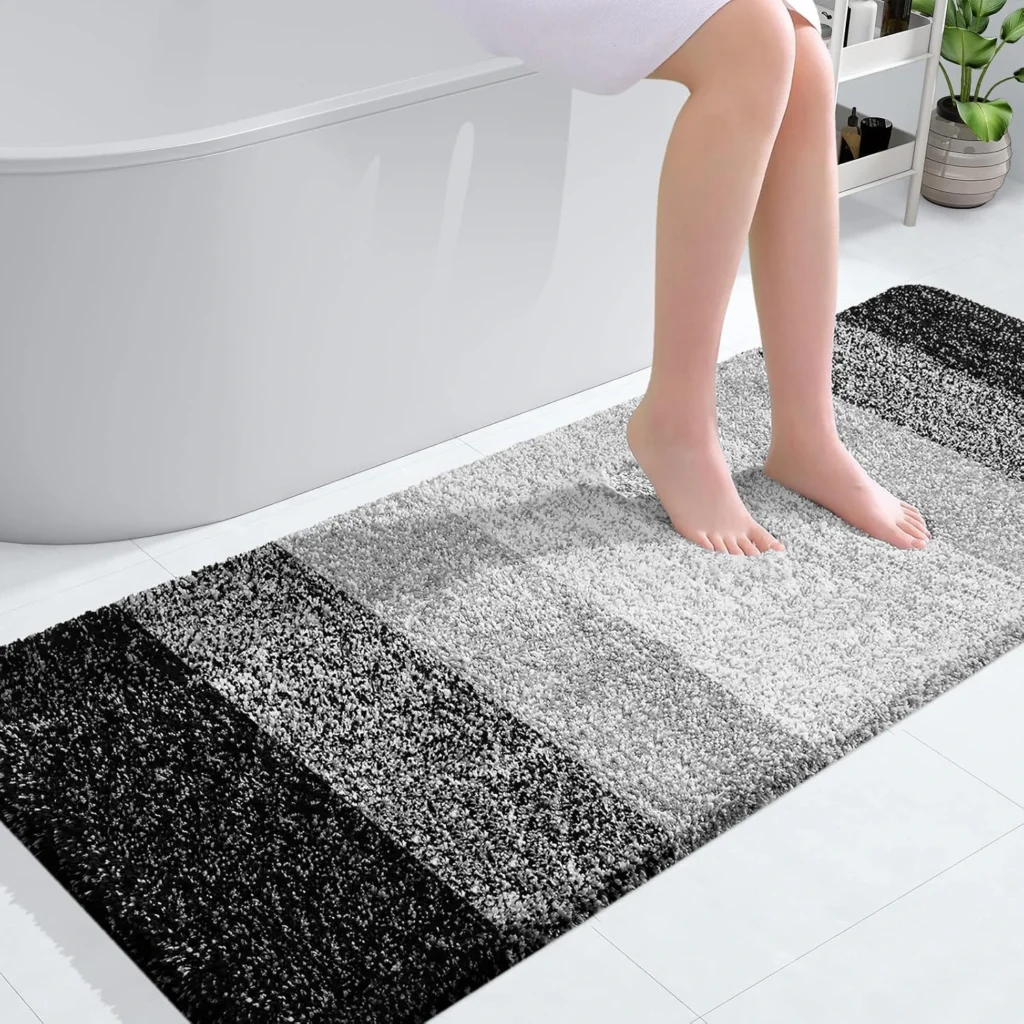
Large Bathroom Rugs
Key Features:
- Size– 50×30.
- Material – Microfiber
- Weave Type – Tufted Item
- Weight 4.75 pounds.
- Certified Microfiber Comfort.
- Ultra-Absorbent, Quick-Drying & Virtually No Shedding.
As an Amazon Associate I earn from qualifying purchases.